Year 1
First-time lead!?!?
Soft Exoskeleton
Main project for this term.
30 Nm
Torque per joint
5 kg
Hip-area chassis weight
23%
Weight savings from prototype
CAD & Structural Analysis

Planning & Measurements
Defined biomechanical constraints, applied anthropometric datasets, and mapped mechanical interfaces to ensure ergonomic fit across a wide range of body sizes. This foundational phase established design parameters for all downstream iterations.

CAD Version 1
Early exploratory model used to validate overall architecture, kinematics, and packaging of a 2-DOF hip mechanism. Design was intentionally unoptimized, with limited consideration for mass, stress distribution, or manufacturability — focused on functional validation.

ANSYS & FEA Simulation
Conducted structural simulations in ANSYS and SolidWorks to validate load paths and identify stress concentrations. Results directly informed major geometry changes and design decisions between early and refined iterations, ensuring safe and efficient operation.

CAD Version 2 (Optimized)
Heavily refined design with significant optimization to mass, structural efficiency, and load paths. Geometry was redesigned around real manufacturing constraints, resulting in a configuration that is now fully machinable while maintaining functional and ergonomic requirements.
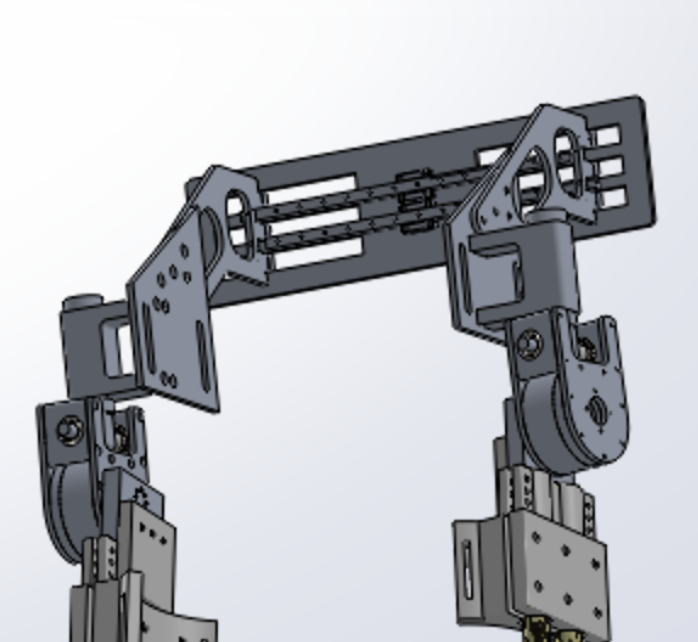
CAD Version 3 (Design for Manufacturing)
Finalized design with significant optimization toward minimizing manufacturing costs and time.
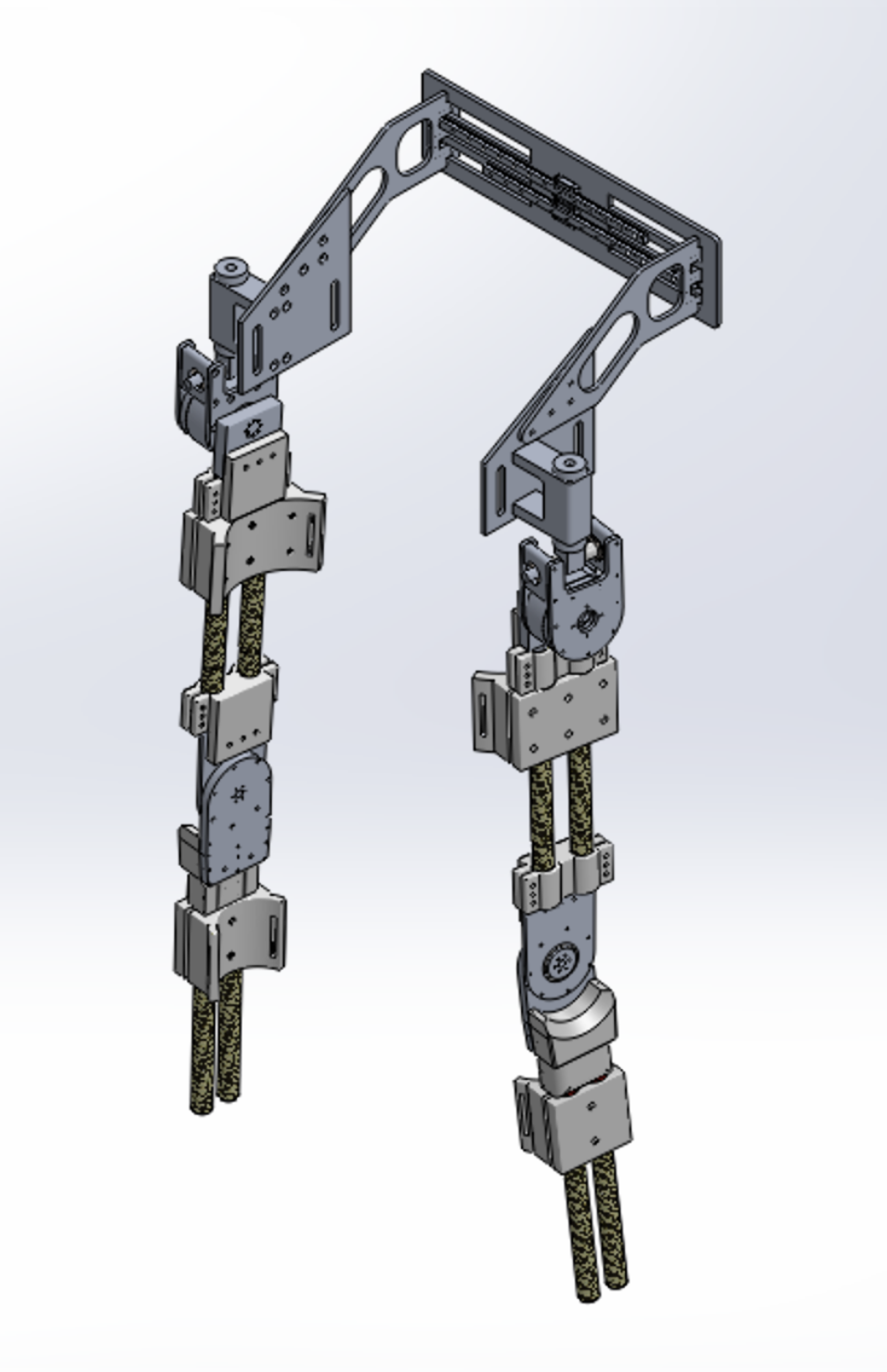
Full CAD Model
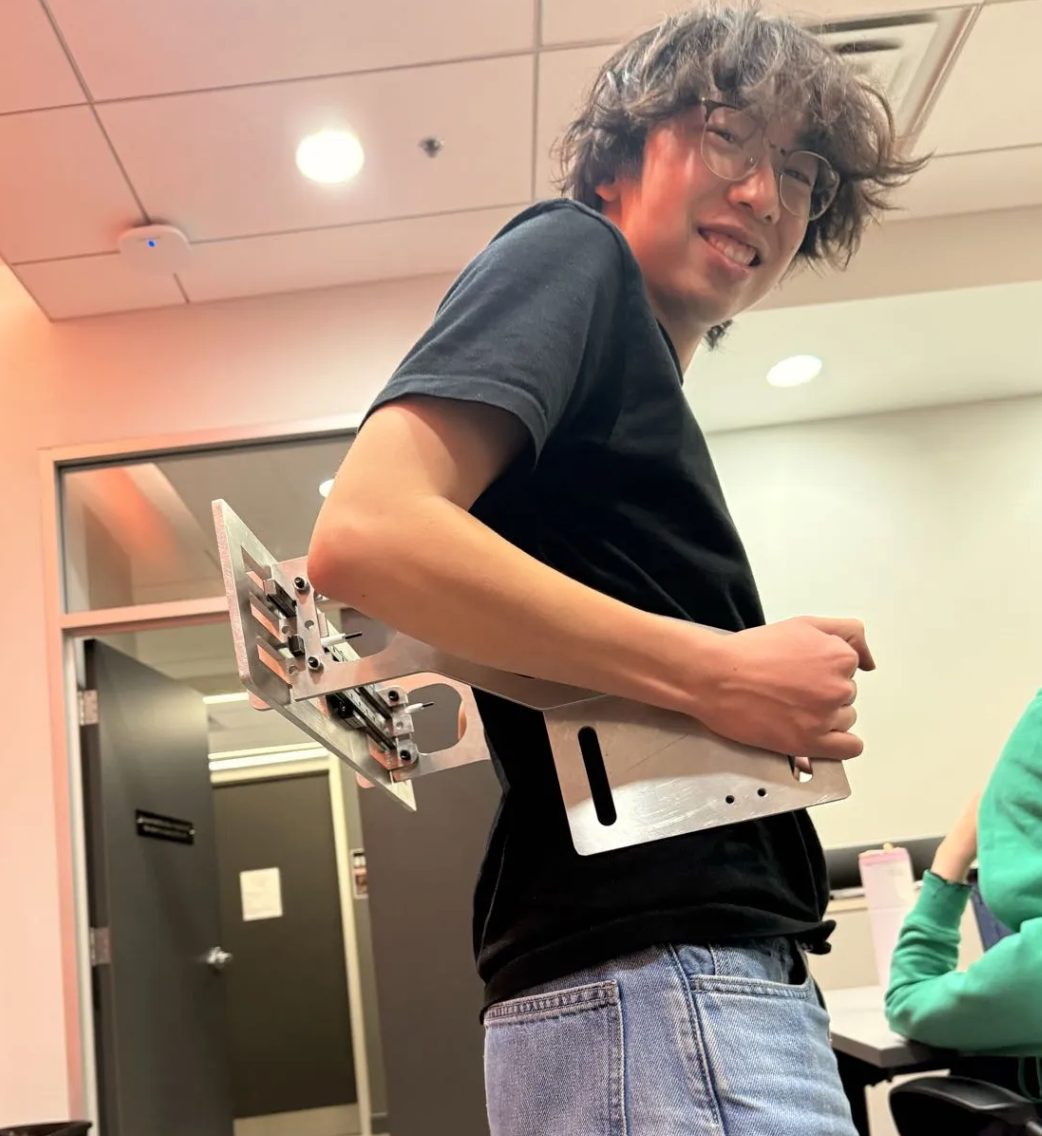
Finalized full body soft exo design; carbon fibre rods to minimize leg weight (as the leg sees mostly bending forces rather than high compression), whereas the hip was made of aluminium as the hip sees a wide variety of forces and stresses. This model was used for safety simulations in ANSYS and also for software, by creating a URDF for Gazebo simulations and a USD for Isaac Sim.
Manufacturing (In Progress)

CNC Machining
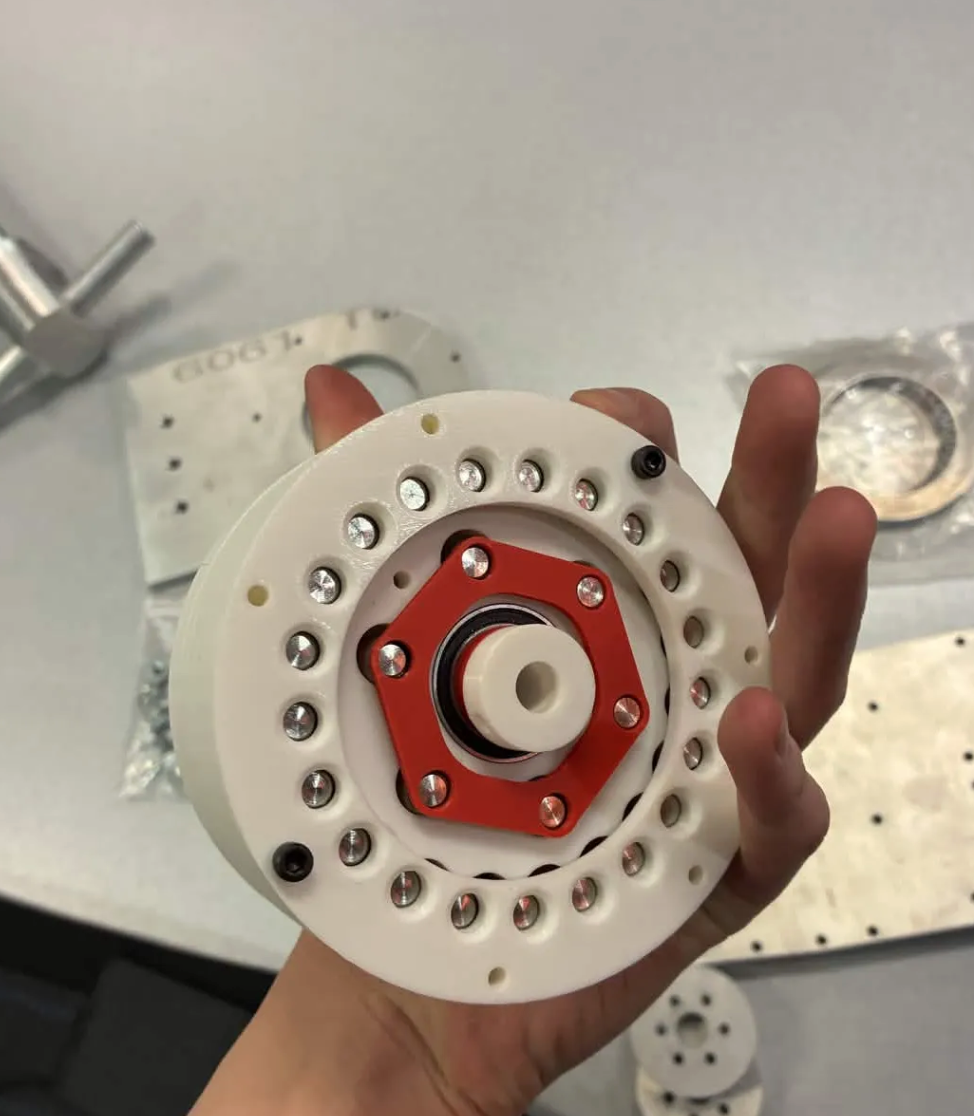
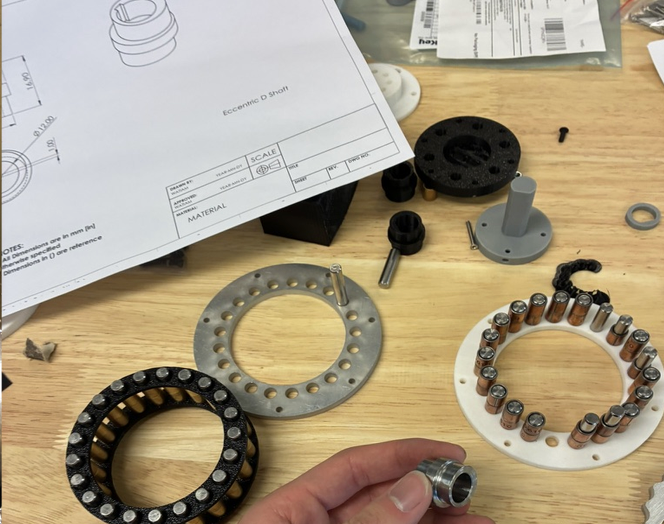
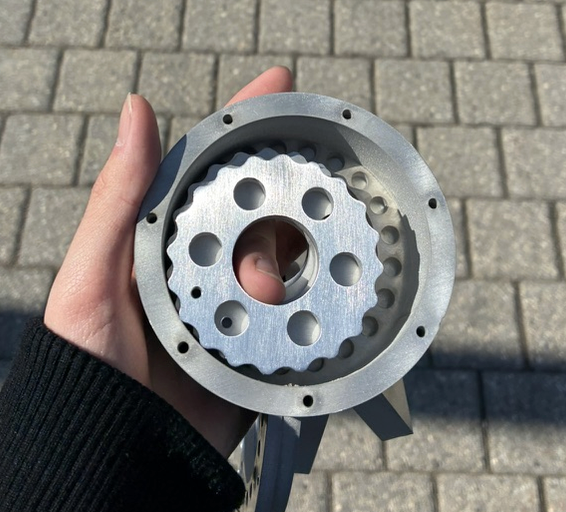
CNC machining was used for eccentric gearbox parts such as the eccentric shaft that holds the cycloidal plates, shown in the image.
Waterjet Cutting
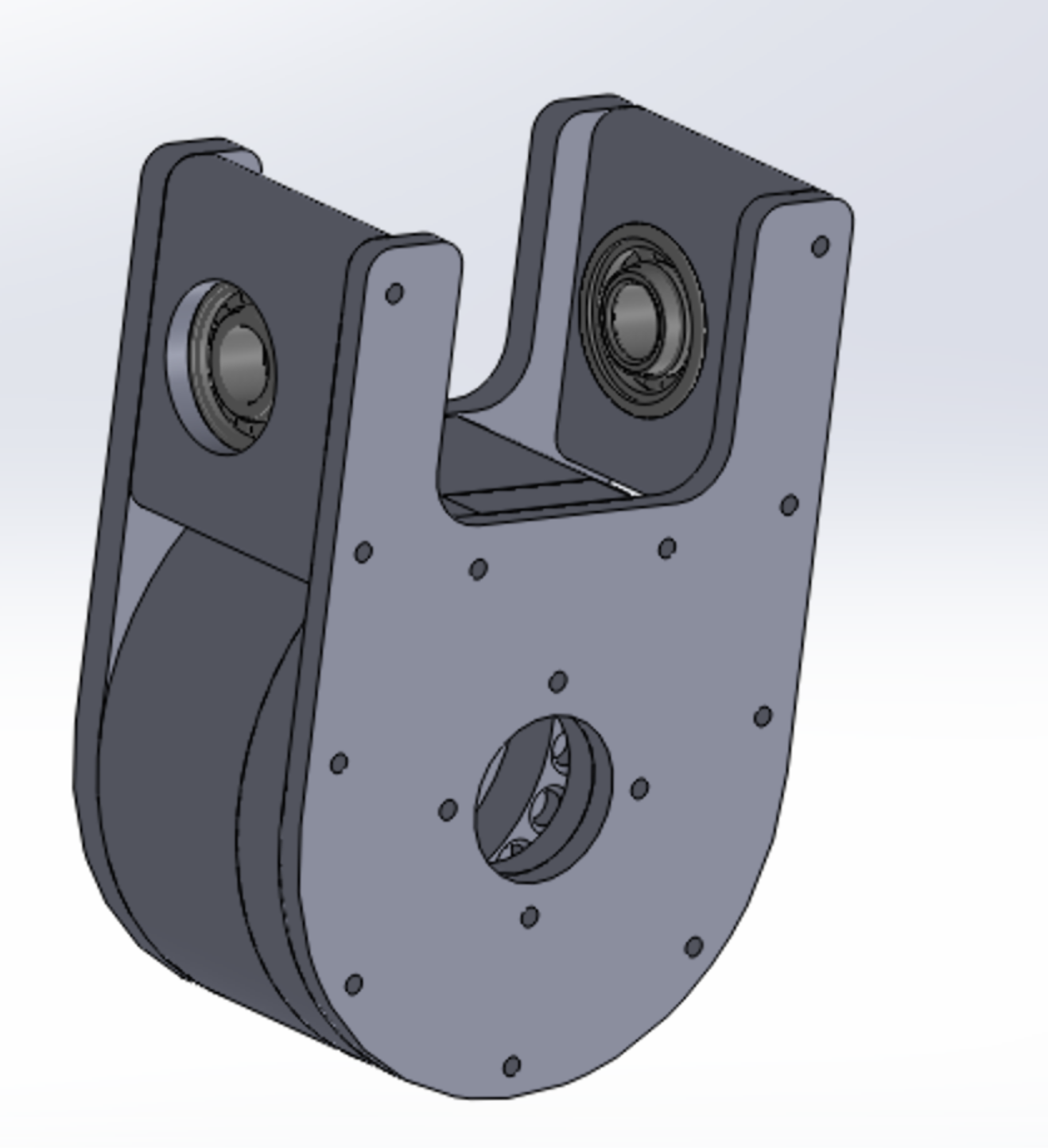
Most components for the chassis were cut via waterjet. Additionally, the cycloidal plates in the gearbox were waterjet then lapped for tolerancing purposes. Extensive usage of waterjet was used as waterjet cutting was relatively cheap.

Lathe Work
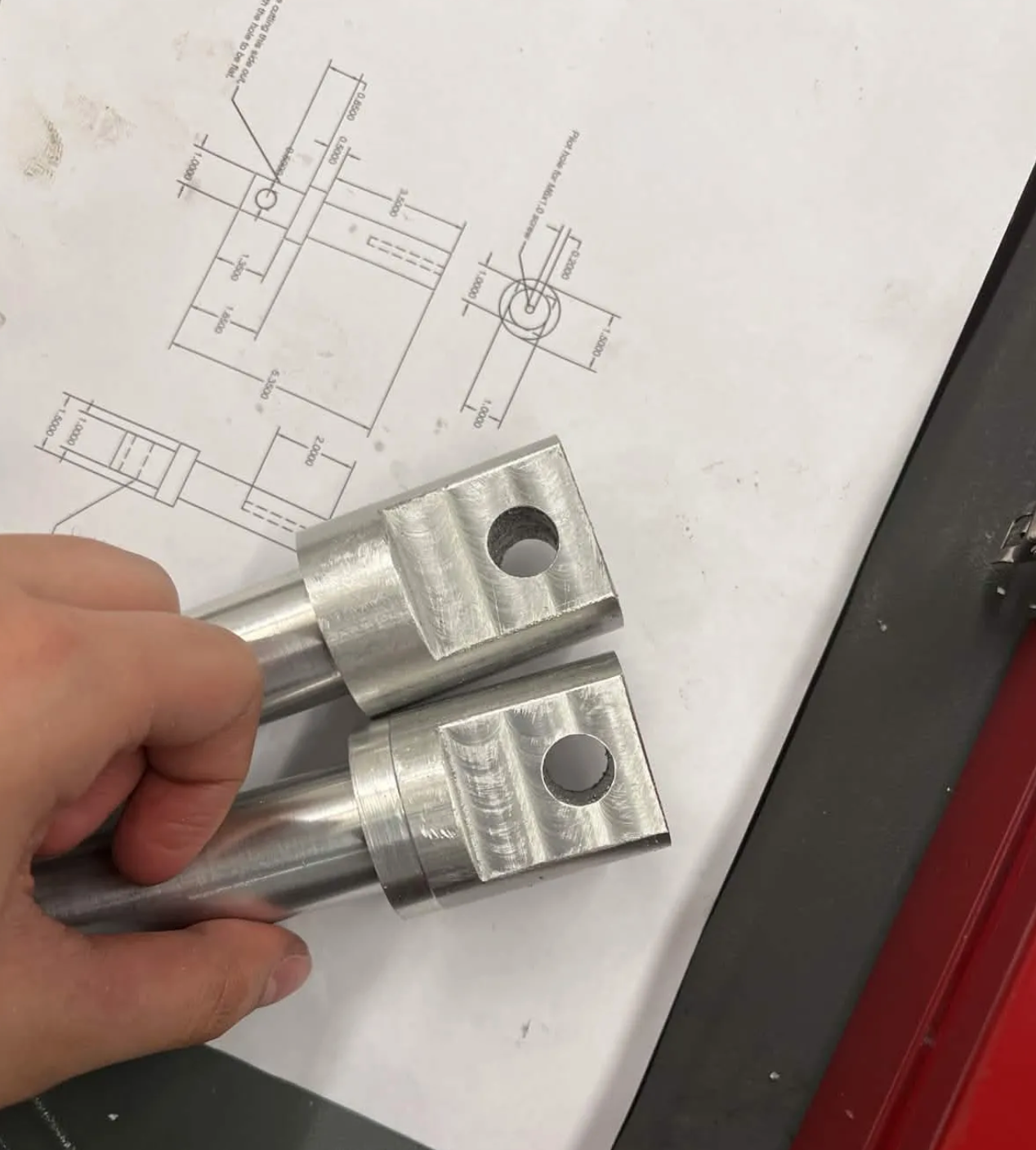
Lathing was used mostly for the hip axles as shown in the photo.

Manual Milling
Mills + Rotary chucks were used to do internal radial features for the cycloidal actuator's outer shell, alongside post-processing of lathed parts to create flat surfaces shown above such as the hip axle.

Final Assembly
al components. All subsystems will be tested to ensure performance meets design specifications.
Leadership & Management

Manufacturing & CAD Oversight
Established CAD standards, reviewed designs, and supervised technical direction across mechanical subteams. Ensured consistency in modeling practices and design quality across the organization.

Team Leadership
Led interdisciplinary coordination, managed milestones, and provided technical mentorship across a 20+ member team. Fostered a collaborative environment focused on technical excellence and continuous improvement.
Team Highlights


